KINGDOM OF LESOTHO · MASERU DISTRICT · MAKHOARANE RURAL COUNCIL
Seriti sa MakhoaraneHeritage and Tourism Network
"We recognise and appreciate the tremendous value of the heritage, history, and living culture of the Makhoarane area, especially that of Morija and the three Royal Villages of Matsieng, Makeneng and Phahameng, which has been of fundamental importance in the development of national traditions and identity in Lesotho over the past two centuries, as well as strong interconnections with the peoples of the sub-continent, and the on-going innovation and adaptation of this living legacy, to which we pledge to serve as custodians, interpreters and promoters."
SSM NETWORK CONSTITUTION · REG. NO. 2020/55
THE OBJECTIVES OF SSM
What We Set Out to Achieve
As stated in the SSM Network Constitution · Reg. No. 2020/55
To preserve the rich cultural and environmental legacy which has been left to us by our predecessors, and pass this on to coming generations in a better condition than we found it.
To manage this legacy in a professional manner through the residents of the greater Makhoarane region and to present this legacy in a compelling manner to visitors and tourists.
To enhance the wealth of the region in terms of entrepreneurship and creativity of a high standard. Each generation must demonstrate its own excellence in this regard.
To jealously guard the principles of sustainable tourism and responsible tourism.
To help ensure that inclusive growth takes place, investments are attracted and new enterprises established across the Makhoarane region.
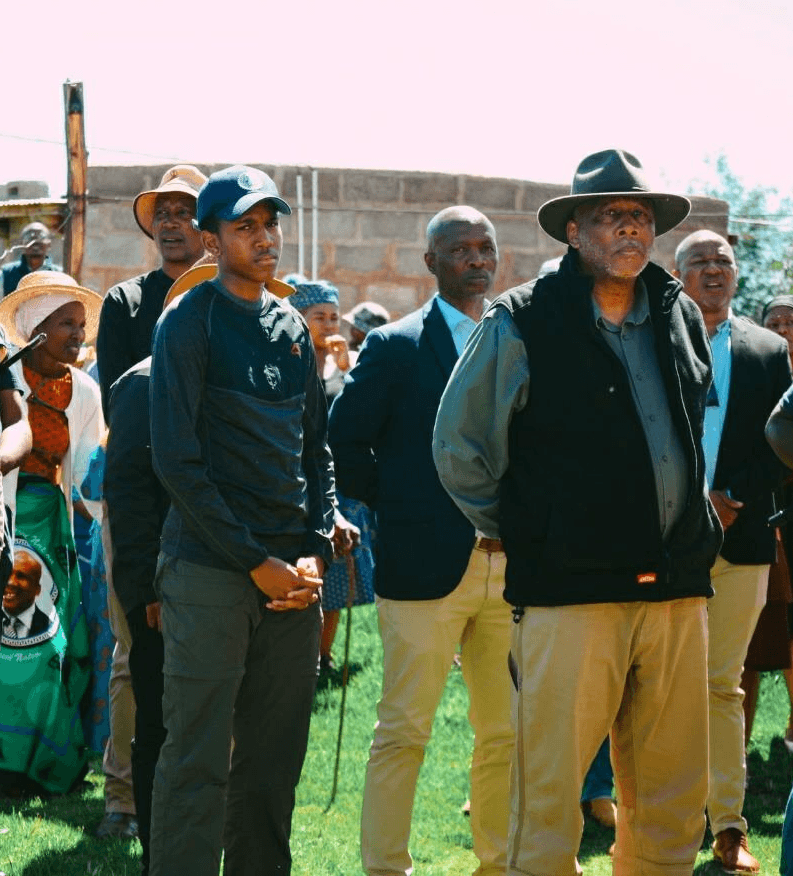
His Majesty King Letsie III · Official Launch · 20 May 2023
OUR REACH
PEOPLE TRAINED
CERTIFIED TOUR GUIDES
HOMESTAY OPERATORS
NETWORK MEMBERS
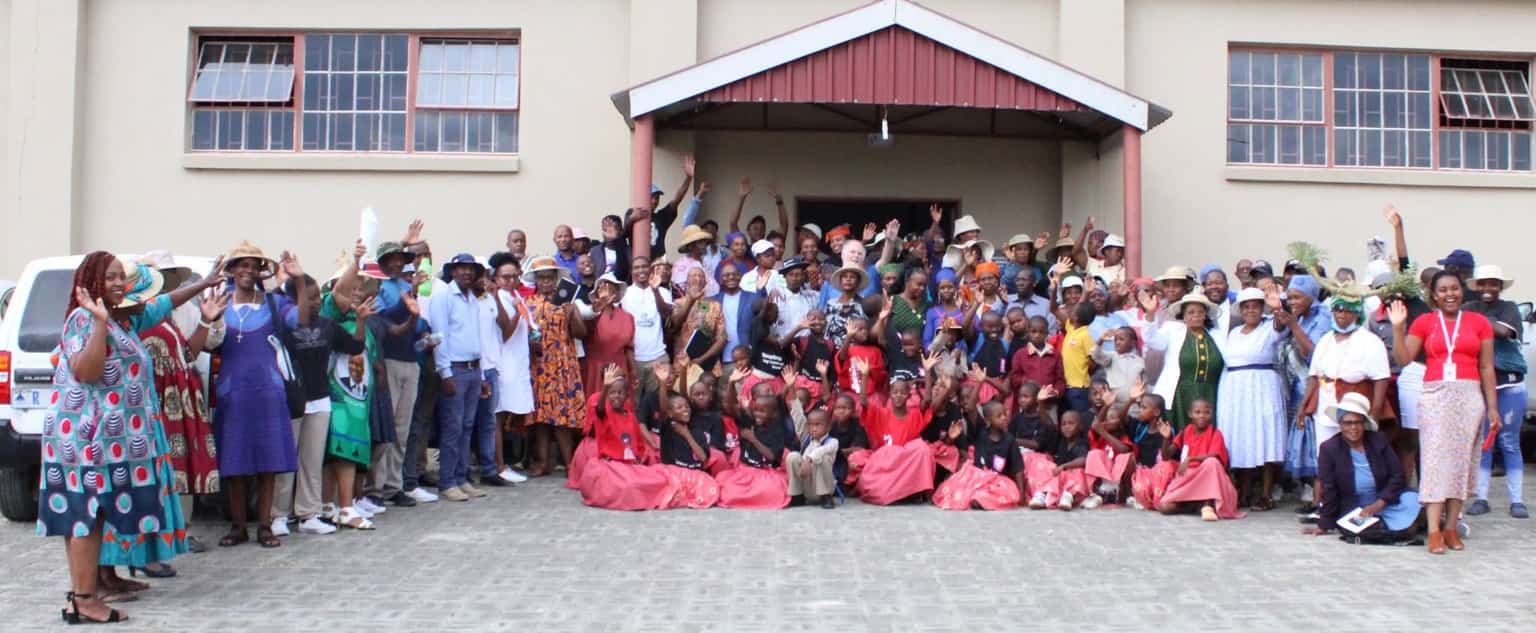
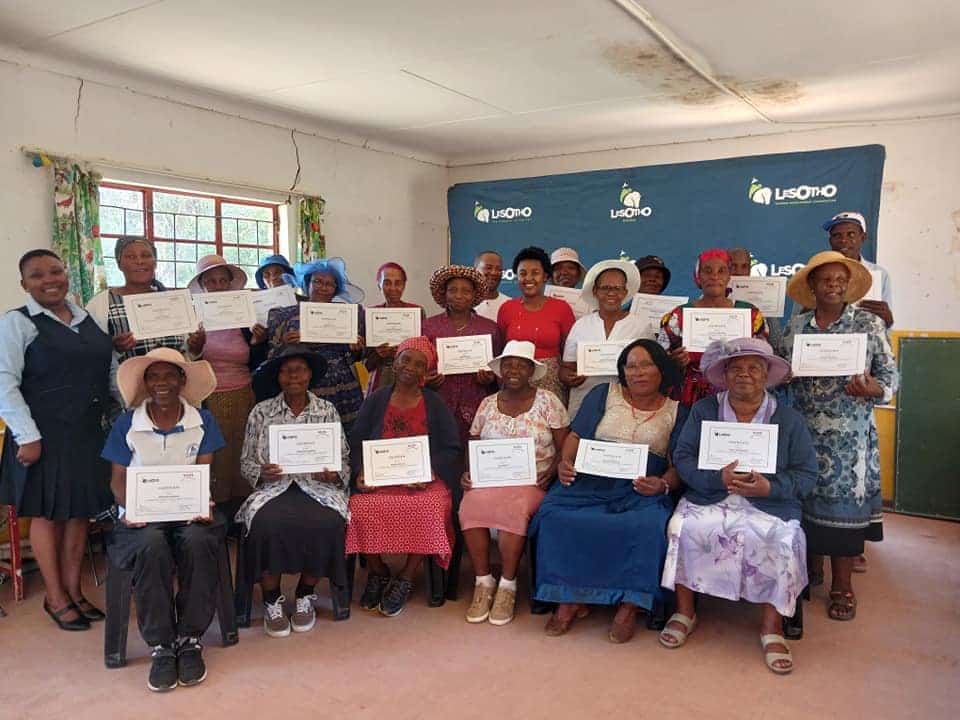
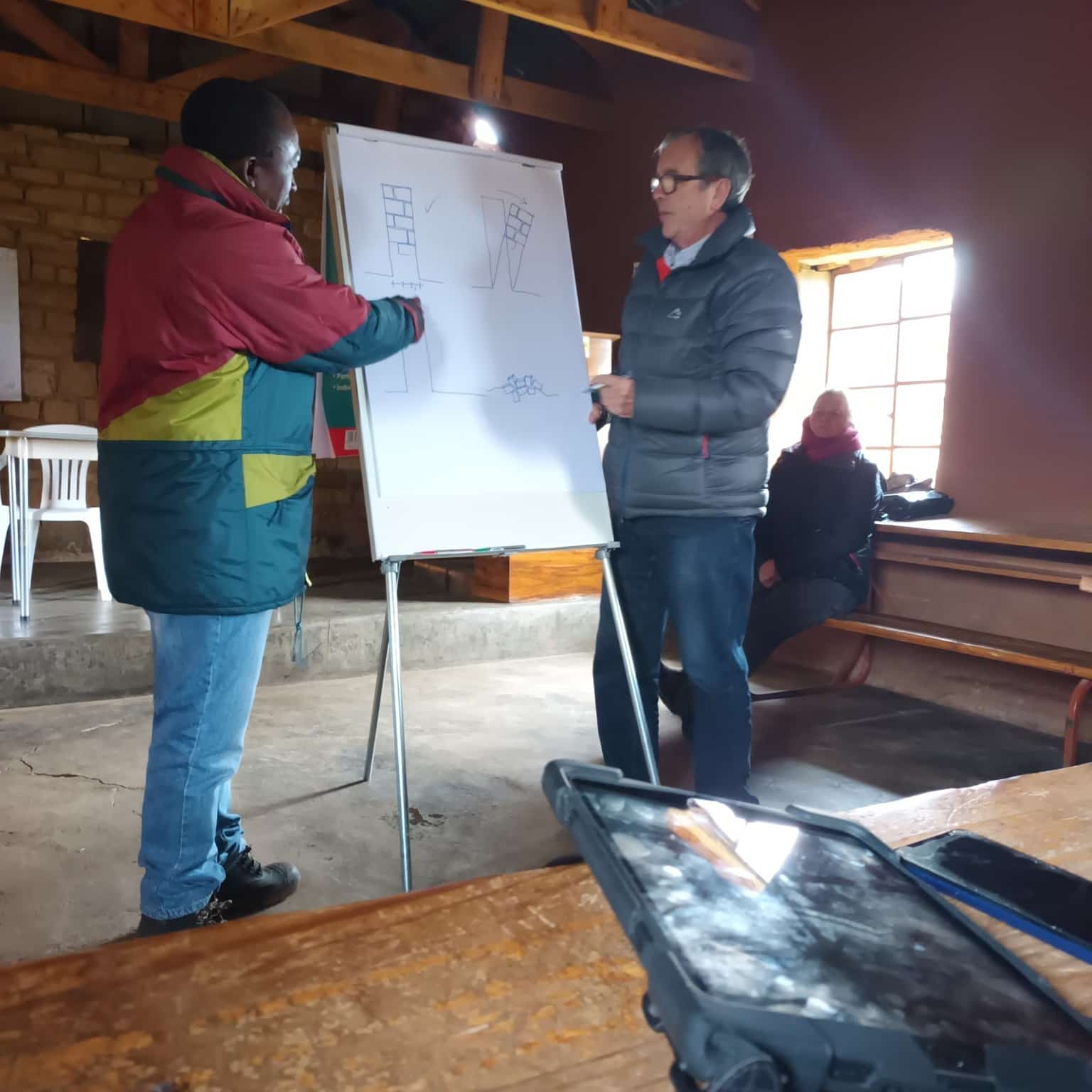
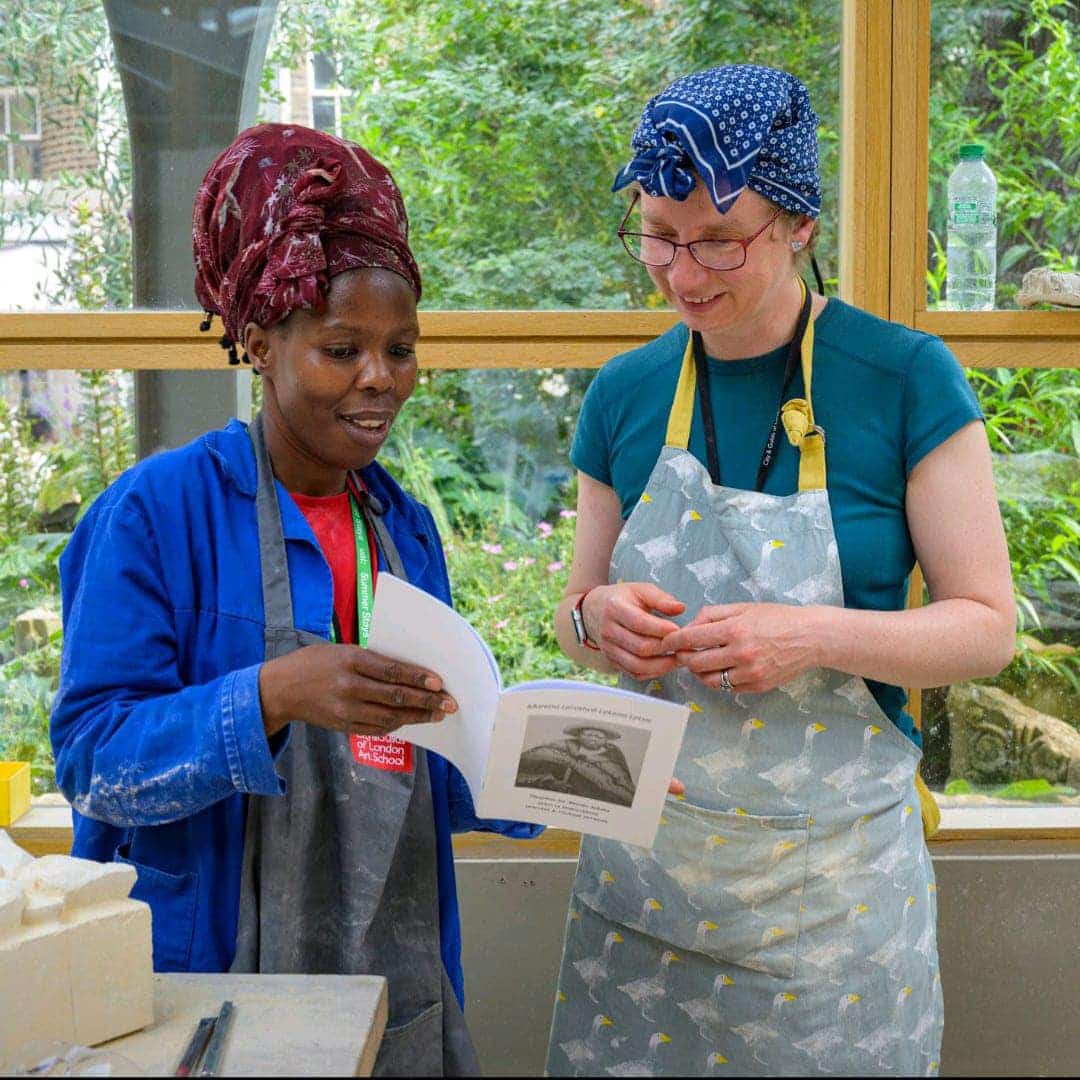
Since 2016, SSM has trained over 500 participants in heritage interpretation, conservation, and entrepreneurship. 65 percent of participants are youth. 55 percent are women. 38 rural women are now certified homestay operators, controlling their own income with increases of 40 to 60 percent. Over 120 community members are certified heritage tour guides. Every figure was built without core operational funding and without paid executive staff. The foundation is community-built. The work is real.
GUIDING PRINCIPLES
Core Principles
SSM Network Constitution · Reg. No. 2020/55
Heritage, History and Living Culture
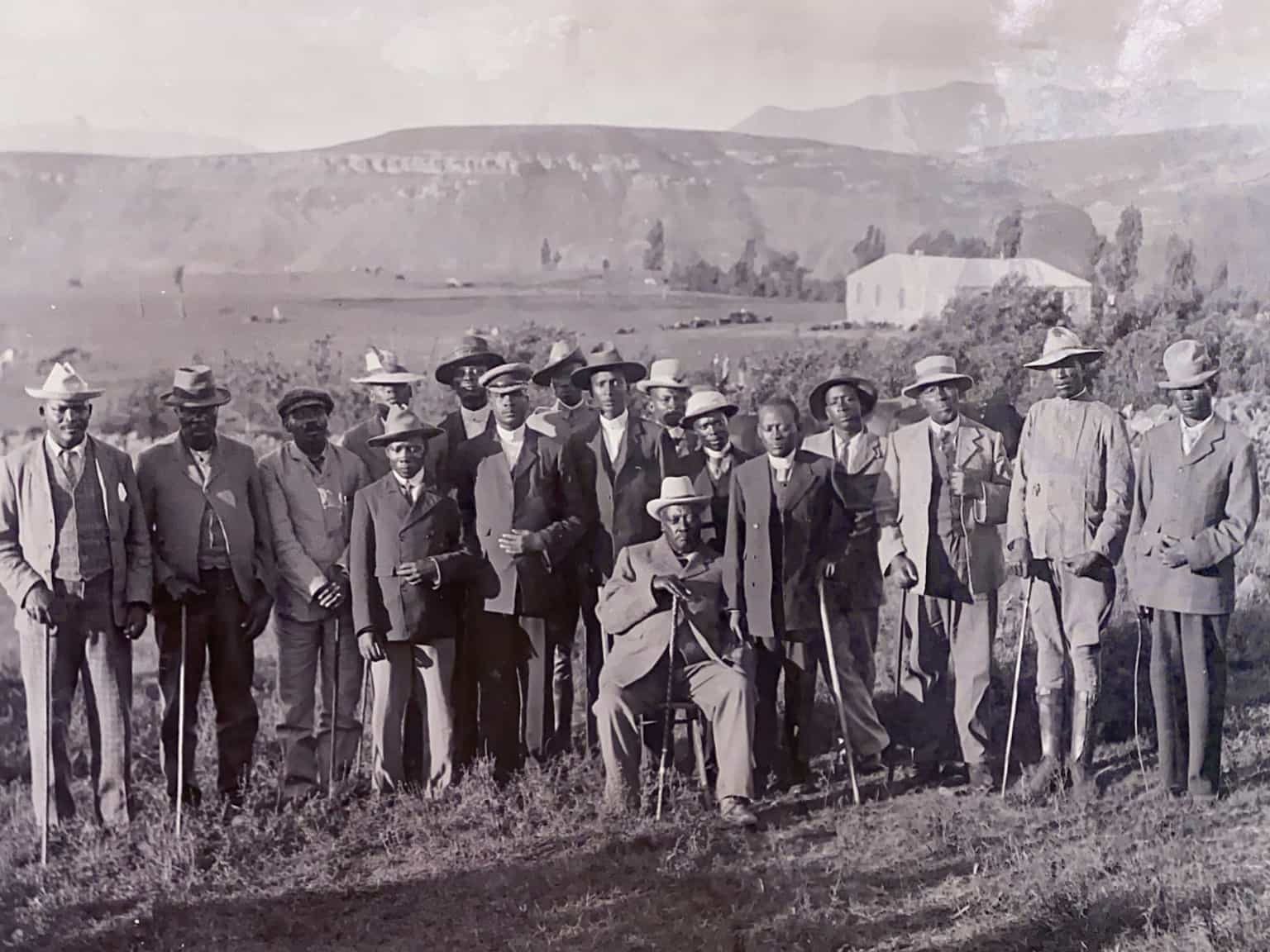
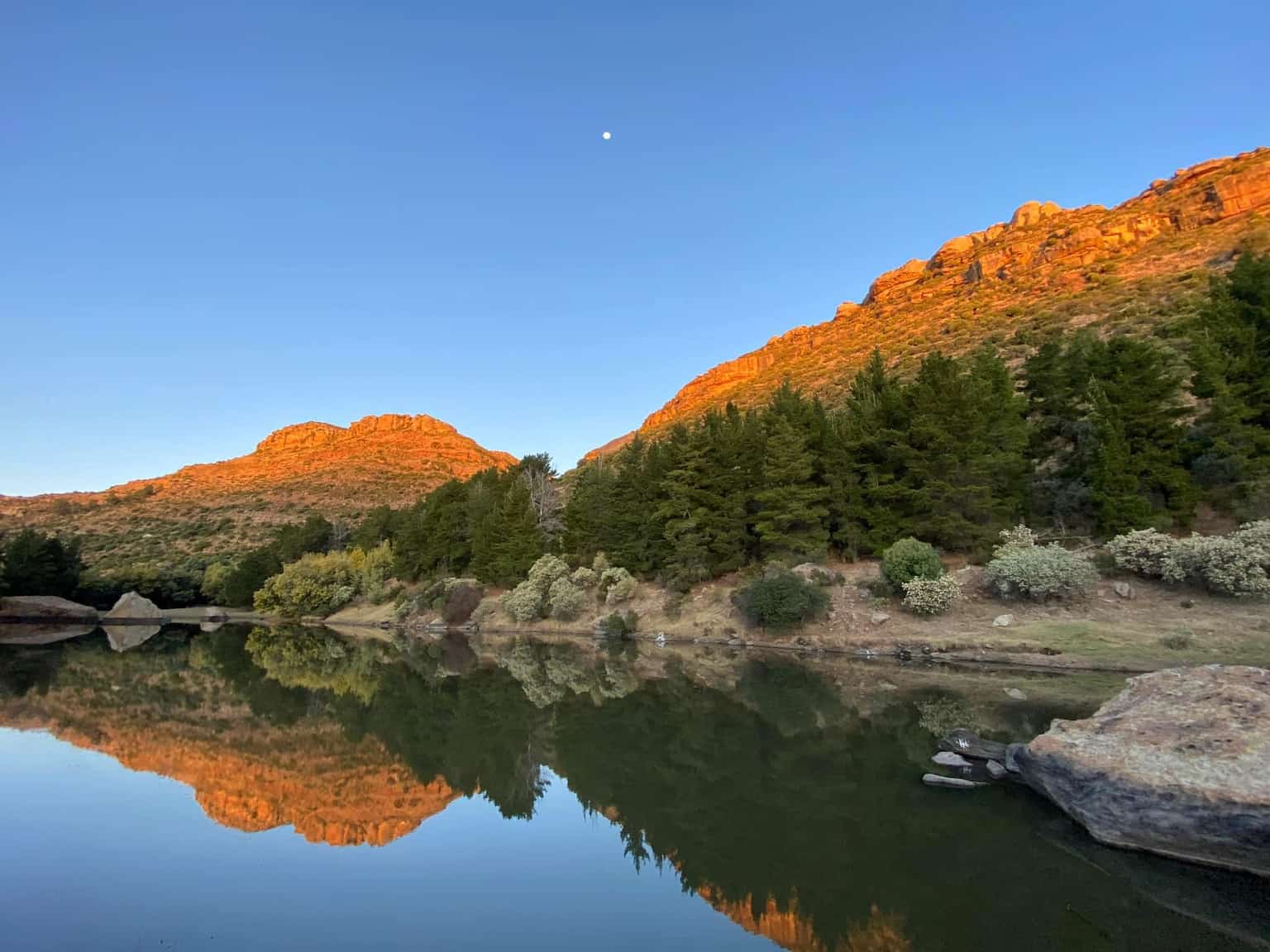
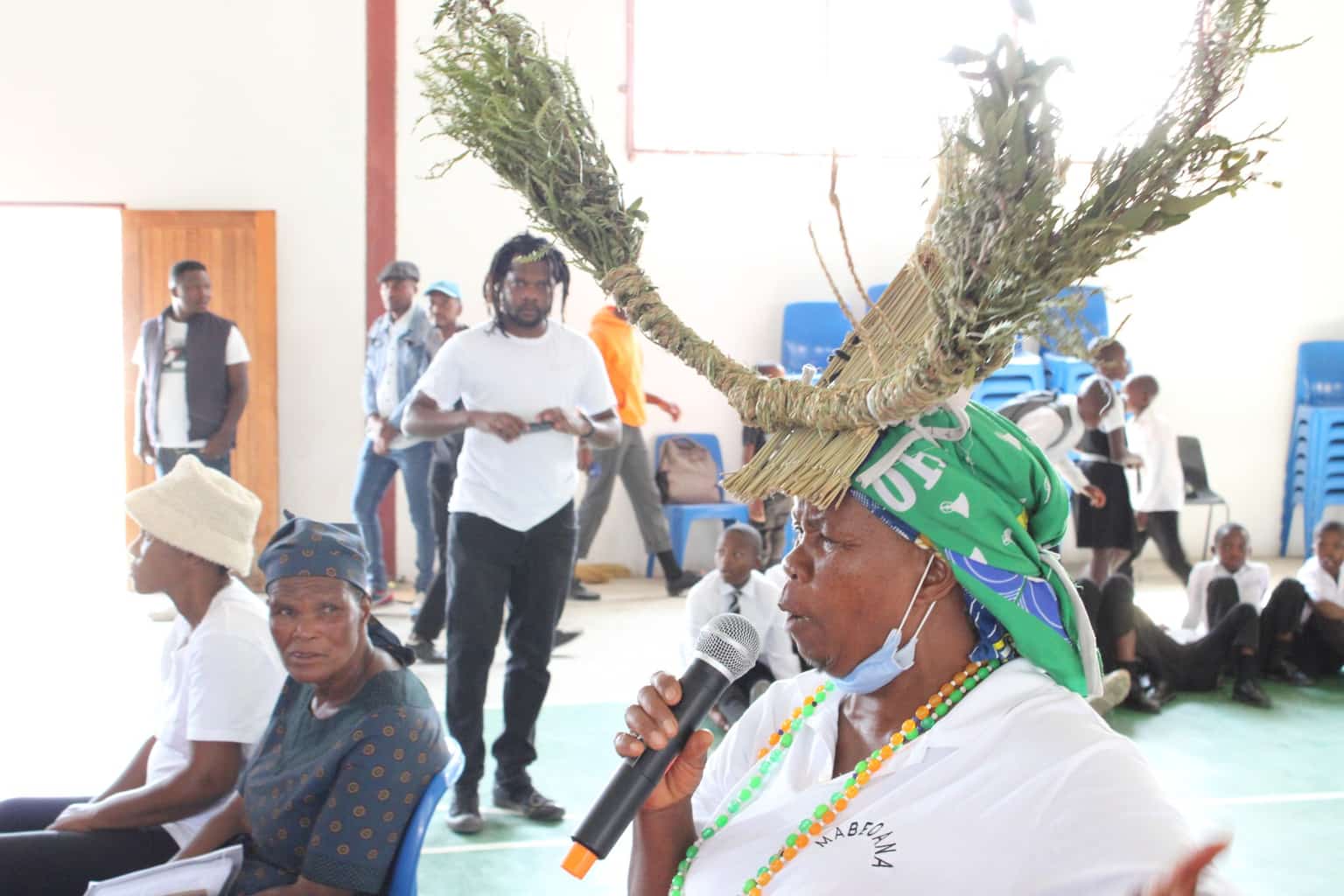
We recognise and appreciate the tremendous value of the heritage, history, and living culture of the Makhoarane area, especially that of Morija and the three Royal Villages of Matsieng, Makeneng and Phahameng, which has been of fundamental importance in the development of national traditions and identity in Lesotho over the past two centuries as well as strong interconnections with the peoples of the sub-continent, and the on-going innovation and adaptation of this living legacy, to which we pledge to serve as custodians, interpreters and promoters.
Community Ownership of Assets
The Region's assets in terms of its environment, heritage, history, and living traditions exist in their own right, for the communities in which they reside. Any research, presentations, or commercialisation of those assets must preserve and protect their value, or add value to them, for the individuals and communities concerned.
Responsible and Sustainable Tourism
SSM serves as a catalyst for better physical planning, zoning, and land use, for managing the local environment and resources more sustainably and productively, and for attracting other forms of investment in the Makhoarane region.
Learning From and Contributing to the World
SSM learns from similar initiatives around the world, including museums without walls, cultural and heritage networks, eco-museums, and tourism meanders, and our experience may assist others in managing their various resources responsibly for the good of present and future generations.
OUR COMMUNITY
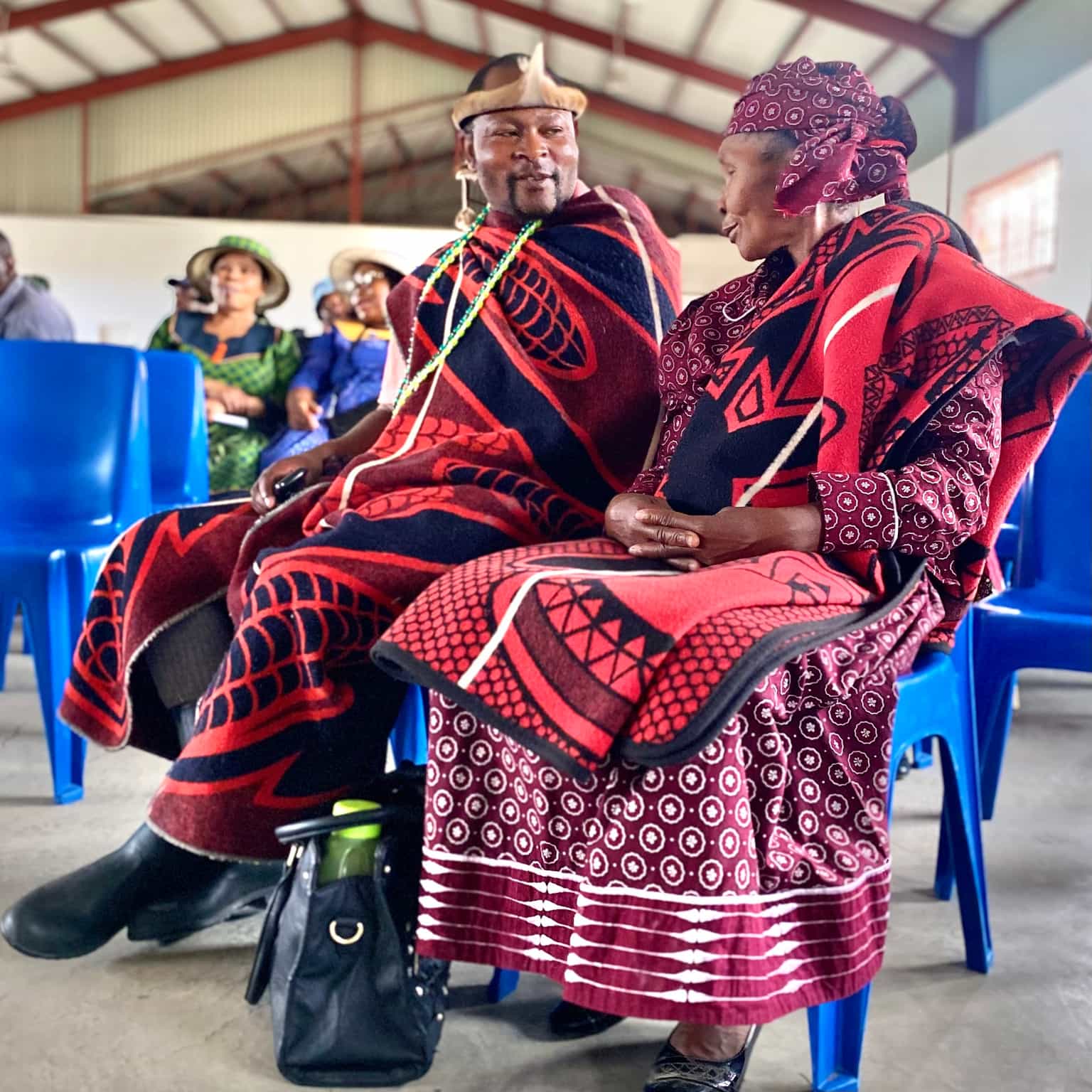
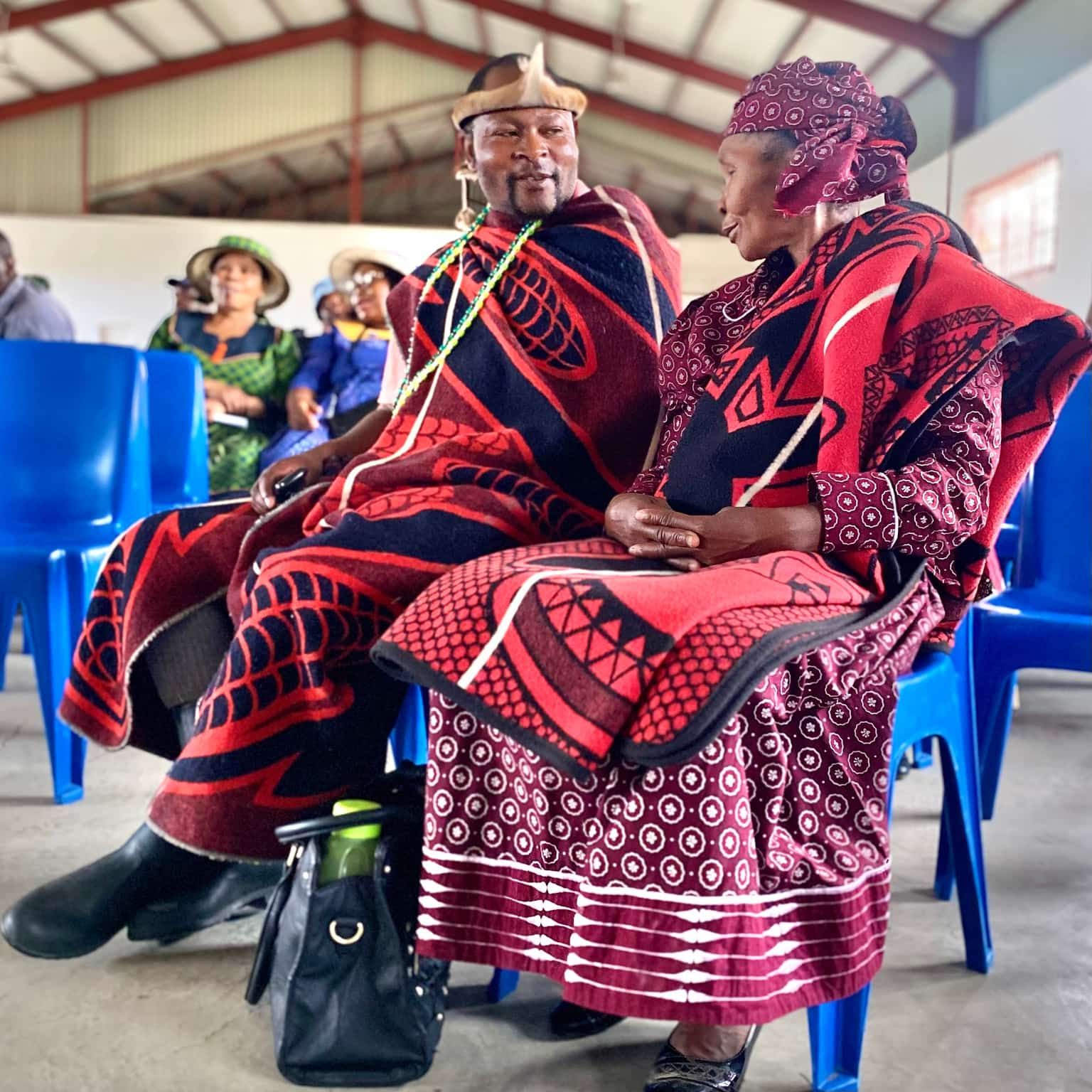
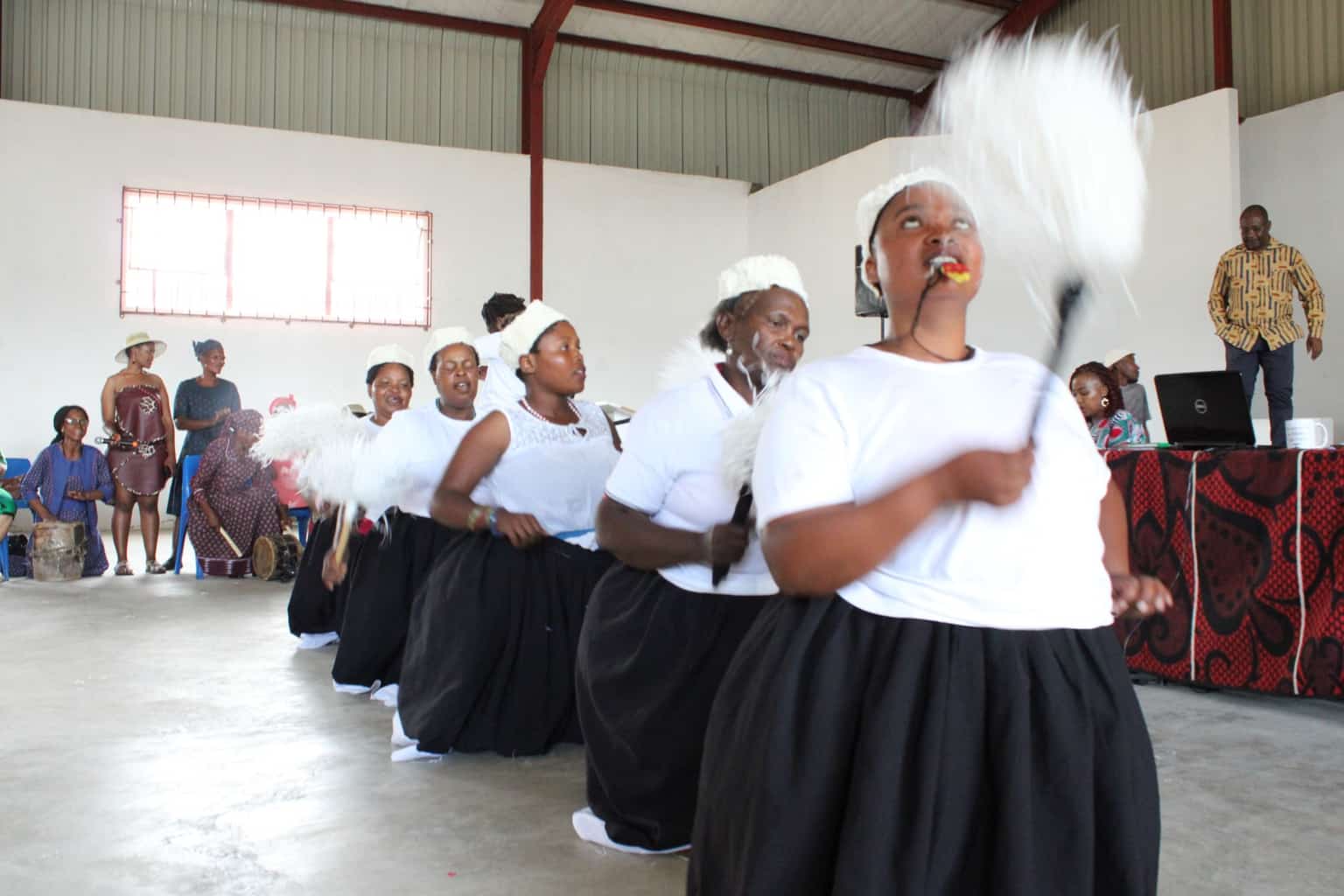
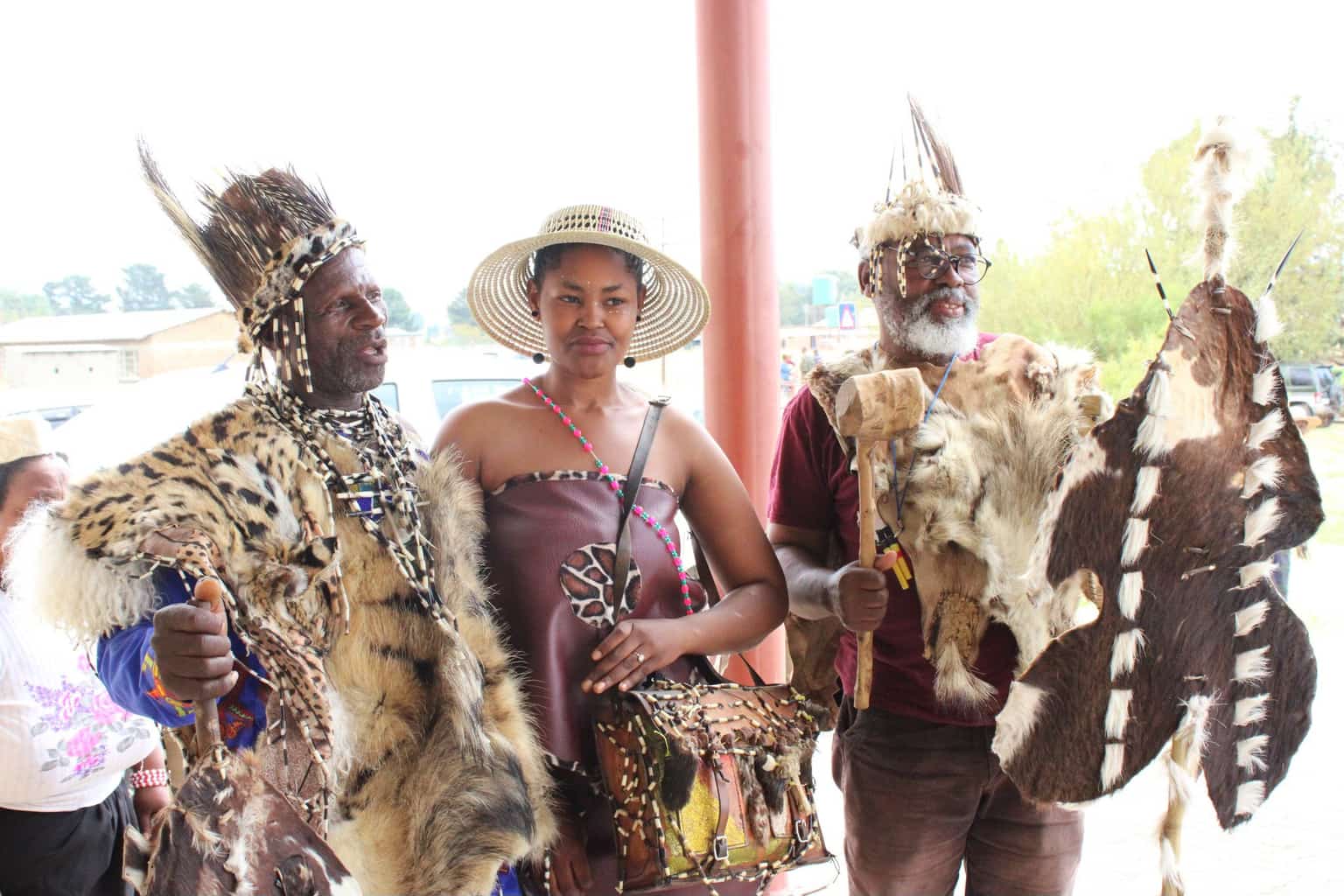
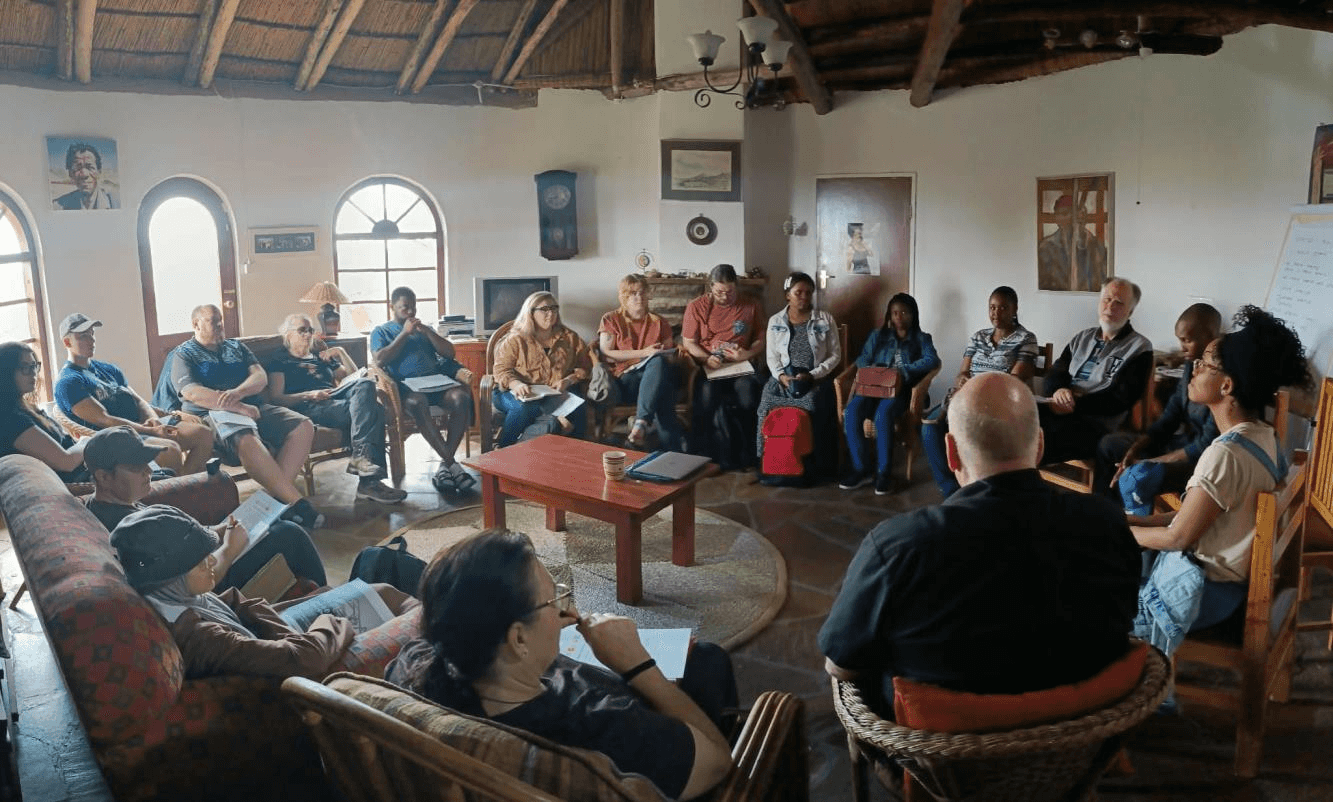
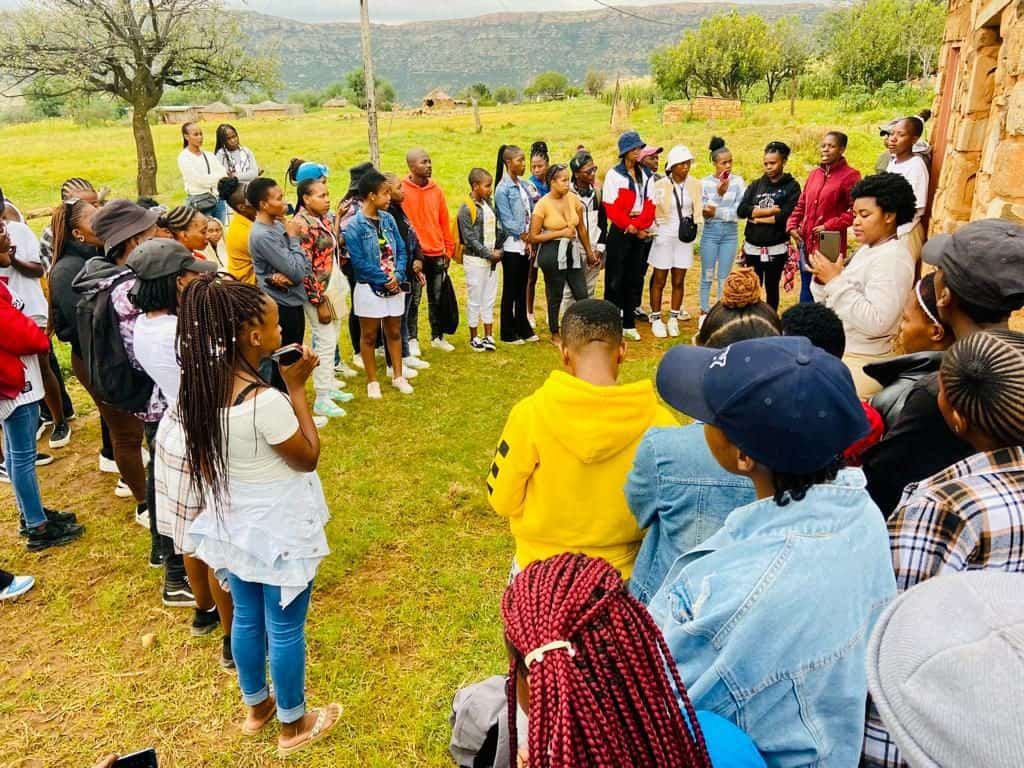
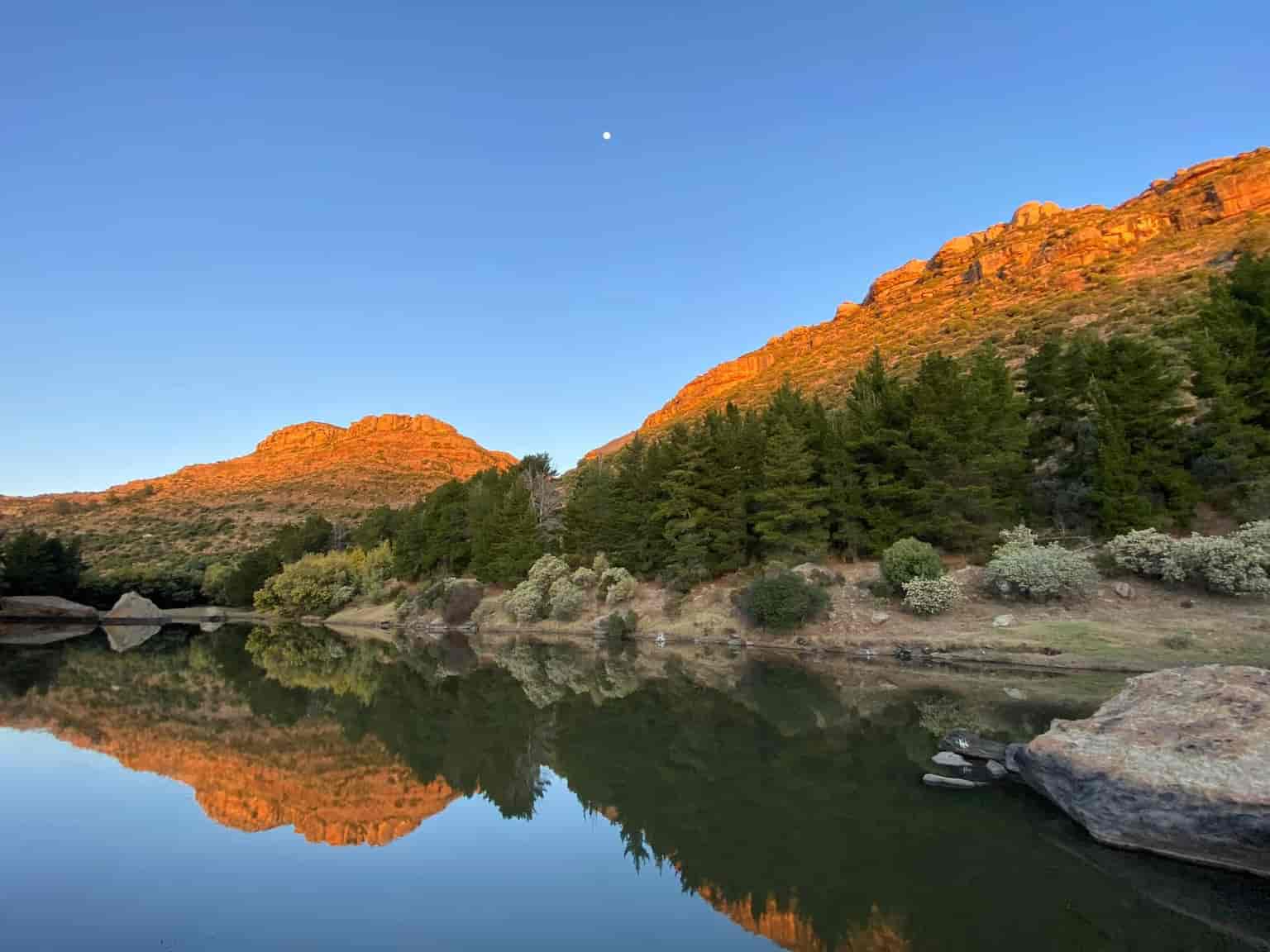
Life in Makhoarane

Support Work That Cannot Wait
Oral histories are being recorded now from knowledge-holders in their eighties. If the documentation stops, that knowledge ends with them. The 1893 Council Chambers at Makeneng need conservation before further deterioration. The women certified as homestay operators need continued programme support to sustain their enterprises. SSM has the community, the governance, the signed institutional partnerships, the royal patronage, and the demonstrated track record of financial accountability. The gap is core operational funding.